
Research project
AGEWISE: Age, Work, Income, Security, and Empowerment
AGEWISE explores how older adults remain employed beyond retirement age and what influences their decisions. The project identifies sector-specific challenges and develops strategies for age-inclusive and healthy work environments.
Background:
In Switzerland, around 30% of men and 21% of women aged 65–69 continue working. Old-age poverty, health risks, and social isolation are key concerns. At the same time, pressure on the pension system is increasing. Policy measures like tax relief or removing age caps may help—but only with cultural and structural change in companies. AGEWISE examines how economic need, personal motivation, and labour market conditions influence decisions to work beyond retirement age. Sector-specific differences are considered to develop targeted strategies.
Methods:
The five-month preliminary study, running until the end of December 2025, includes a literature review on employment in later life, the development and pilot of an online survey, a quantitative data collection involving 150–200 people aged 65+, data analysis, and the preparation of a follow-up project. The survey will be distributed via employer networks and digital channels, focusing on older adults’ motivations for working. The analysis draws on theoretical frameworks such as life course, intersectionality, and new work. The aim is to build an empirical basis for in-depth qualitative interviews and policy recommendations.
Results:
AGEWISE surveyed 137 people, 97% of whom were aged 61 or older. Of these, 61% had worked beyond retirement age: Currently, 46% are still employed, while 15% are now fully retired. Decisions to continue work vary, and are often positive aspirations: 84% enjoy work, 79% find it meaningful, 58% value social contacts. However, 27% of participants report strong financial pressure, more likely women. Flexibility is key, with 7 % reporting flexible arrangements. Barriers at work after retirement mainly include physical strain (44%), mental strain (39%), and age discrimination (15%). Although almost everyone knows the main social security systems (AHV 98%, BVG 93%), 71% have never heard of programs that support older workers. This gap between high system awareness and low program awareness shows a major need for better information and targeted communication to close this gap.
Impact:
Findings show continued work is common. The key drivers are enjoyment of work, a sense of purpose, social integration, and the desire to contribute to society yet financial necessity plays a central role for over a quarter of those surveyed. Results indicate to increasingly consider Individual living situations for a deeper understanding of causes and consequences. Relevant burdens such as physical and mental demands, age discrimination or exclusion from further training are becoming apparent, need to be addressed specifically and further investigated. This results in a clear need for action on the part of politicians and employers to combat age discrimination, improve information, targeted communication, and age-appropriate, flexible working conditions to sustainably support older adults continue work according to their preferences and also to enhance employer attractiveness.
Project lead:
Dr. sc. nat., Sarah Speck / IAF Institut für Altersforschung
Duration: 01.08.2025 - 31.12.2025
Funding:
IdS HELA - Interdisziplinärer Schwerpunkt: Healthy Living and Aging
Team
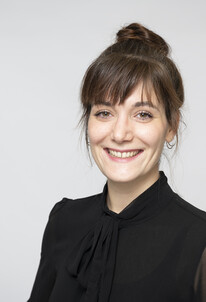
Dr. sc. nat. Sarah Speck
IAF Institute for Ageing Research Research Scientist (Deputy for Stefanie Sandra Wiloth)
+41 58 257 12 55sarah.speck@ost.ch
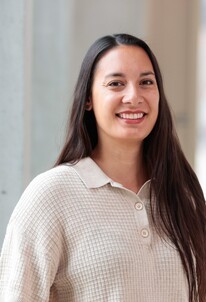
Sara Juen
IDNA Institute for Diversity and New Ways of Working Scientist
+41 58 257 16 05sara.juen@ost.ch
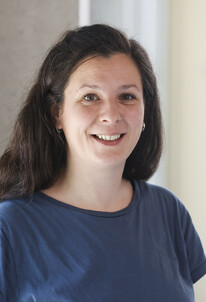
Daniela Epple
IFSAR Institute for Social Work and Social Spaces Dozentin
+41 58 257 15 67daniela.epple@ost.ch
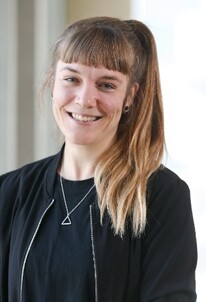
Hannah Wettstein
IFSAR Institute for Social Work and Social Spaces Wissenschaftliche Mitarbeiterin
+41 58 257 18 93hannah.wettstein@ost.ch